Physical Address
304 North Cardinal St.
Dorchester Center, MA 02124
Physical Address
304 North Cardinal St.
Dorchester Center, MA 02124

有趣分享
有趣分享

本文从技术角度系统解析各大视频网站的视频处理与播放机制,包括视频存储方式、CDN 分发原理、M3U8/HLS 流媒体结构,以及第三方视频下载工具的工作逻辑。通过对 YouTube、B 站、抖音等主流平台的实际案例分析,帮助读者理解现代视频网站的底层架构与技术本质。
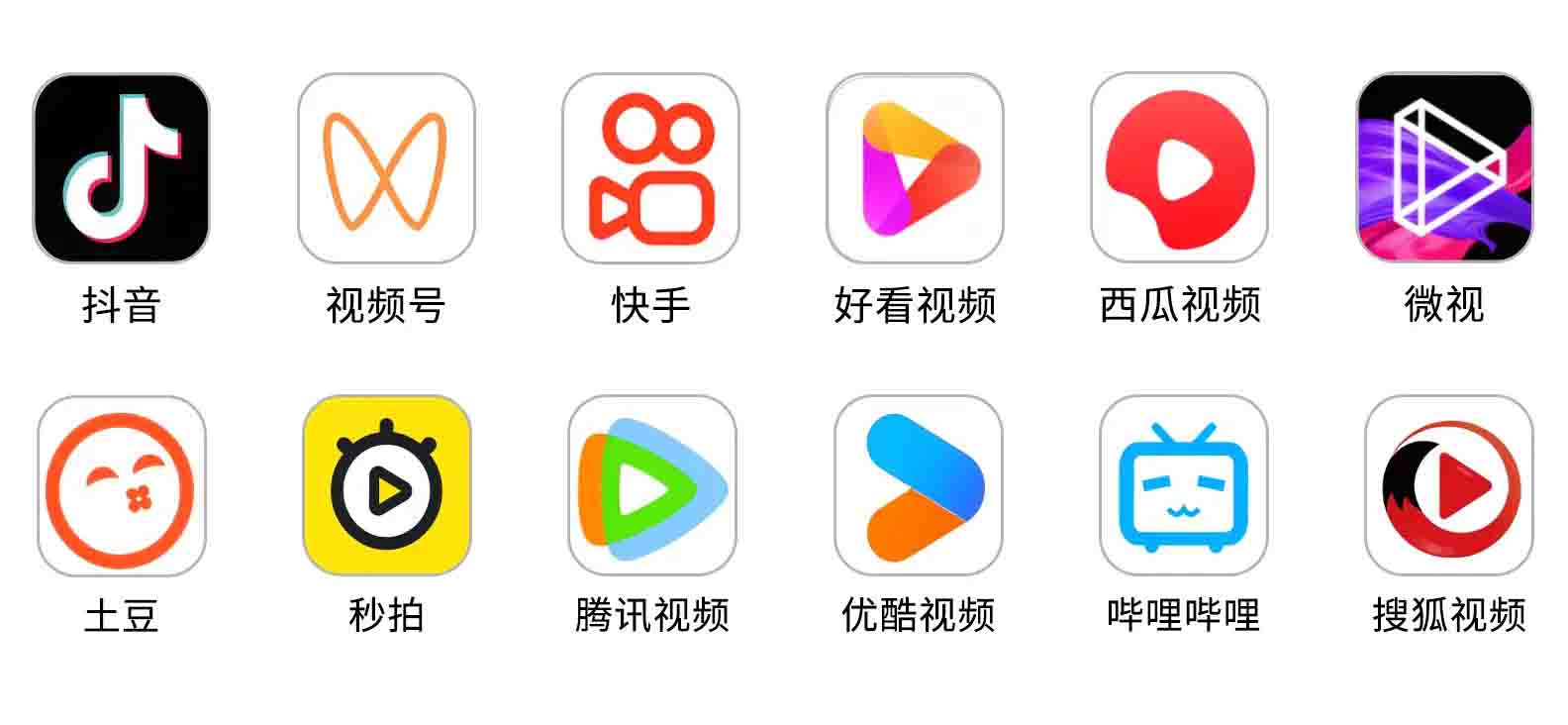
我们每天在 B 站、YouTube、抖音、腾讯视频、爱奇艺等平台观看大量视频,但很少有人真正了解:
这些视频到底存放在哪里?是放在一台服务器上吗?为什么播放这么流畅?第三方下载工具又是如何“找到”视频地址的?
本文将从 视频存储架构、CDN 分发、M3U8/HLS 工作原理,再到 第三方视频下载工具的技术逻辑,系统性地讲清楚整个流程。
答案是:绝对不是。
现代视频网站的视频,基本都采用 分布式存储 + CDN 分发 架构,而不是集中存放在某一台服务器。
视频上传后,通常会经历以下流程:
这些“原始文件”和“转码后文件”一般放在 对象存储系统中,而不是传统意义上的硬盘服务器。
如果所有用户都直接访问中心存储,延迟和带宽成本都会爆炸。
所以视频网站几乎全部使用 CDN(内容分发网络)。
👉 你在日本看 YouTube,视频很可能来自东京或大阪的 CDN
👉 你在国内看腾讯视频,来自电信/联通的本地 CDN 节点
这也是为什么:
现代视频网站几乎不会直接播放一个完整的 MP4 文件,而是采用 流媒体切片:
目前最常见的是 HLS(HTTP Live Streaming),其核心就是 M3U8 文件。
示例(简化):
#EXTM3U
#EXTINF:6.000,
segment001.ts
#EXTINF:6.000,
segment002.ts
#EXTINF:6.000,
segment003.ts
播放器并不是“下载视频”,而是:
👉 一段一段请求 ts 切片并拼接播放
👉 下载工具需要分别抓取视频流 + 音频流,再合并
👉 普通工具能拿到 m3u8,但 ts 地址通常带参数
👉 多数下载工具其实是调用官方接口或解析分享页数据
👉 能拿到 m3u8 ≠ 能直接播放
这里说的是 技术原理层面,不是使用教程。
在视频播放前,找到播放器实际请求的视频资源
常见手段包括:
👉 常见于在线视频解析网站
👉 抖音、快手、小红书常见
👉 本地工具、命令行工具常用
因为视频网站会不断:
这也是为什么:
视频下载工具没有“永久可用”的
常见原因包括:
播放器可以正常播放,是因为:
而下载工具:
一句话总结:
视频网站 = 分布式存储 + CDN + 流媒体切片 + 播放器调度系统
而所谓“视频下载工具”:
本质是在视频播放之前,提前拿到播放器要用的资源索引





wonderful issues altogether, you just received a emblem new reader.
What could you recommend in regards to your post that you just made some
days ago? Any positive?
I am planning a capsule wardrobe and want to confirm my season before choosing the main colors. Repeated questionnaires place me near autumn although the exact subtype changes. Muted camel and forest green suit me but mustard and strong rust can make my complexion look uneven. Since I want a streamlined wardrobe each neutral and accent needs to combine easily with the others. [url=https://seasonal-palette.top]autumn seasonal palette[/url] is helping me organize possible colors but I would like to validate the direction with actual fabric. I am considering a comparison of cream, warm navy, chocolate, olive, muted teal, and brick. I would photograph each color in indirect daylight using the same camera settings. For the core wardrobe shades should I focus more on skin clarity or on harmony with my hair and eyes? I still need a small accent pair that can work across casual and slightly formal outfits. Muted teal seems promising while brick red may be easier than orange. Would this be enough to verify autumn or should I add a cooler control color for comparison? A short practical test list would help me avoid buying colors based only on a label. My priority is everyday flexibility rather than following every suggested autumn shade. I would appreciate your suggestions
I am planning a small work wardrobe and would rather choose a few useful colours than chase every shade in a seasonal palette. The initial plan is to begin with two neutrals, one darker accent, and one lighter colour near the face. I keep returning to navy, charcoal, muted blue, berry, and a soft off-white. Before I buy anything I want to see each option next to fabrics that I already wear often. Clothes I know I reach for should make the contrast easier to judge than isolated digital swatches. I am not looking for certainty but I would like a sensible direction for future purchases. I want to live with the shortlist briefly before I add more colours. For context, I am reviewing what is my color palette That should leave me with a flexible, smaller range to try. Which four or five colours would you test first for a practical, low-volume wardrobe?